
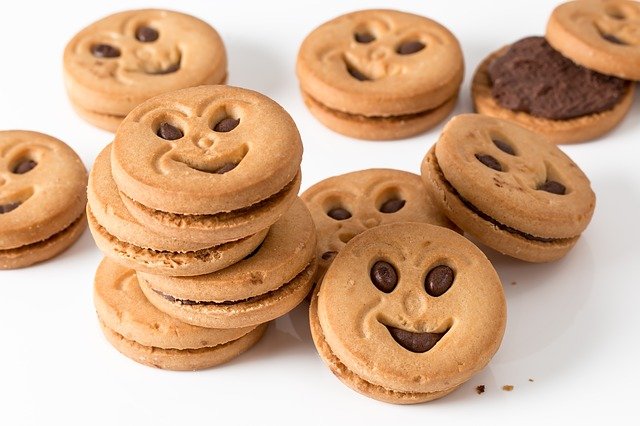
No one ever complained about being too happy! Let’s be honest, we can’t get enough of it.
Happiness, – it’s that wonderful feeling you get when life feels good and you are making the most of it. Pursuing happiness is a recognised human endeavour. Why? Well, there is plenty of evidence to show that it positively affects our health, wellbeing, how long we live, how successful we are and how content with our lot we feel.
My late friend and colleague, Sheila, is probably the happiest, most positive person I have known. That is not to say she had an easy life. She had several different types of cancer at different times and endured gruelling treatments. Yet, honestly, I never heard her complain – not just about her predicament, about anything!
She had a perpetual happy, contented look about her. An inner peace and calm seemed to rest within her. Despite bad things, she saw good in the world.
So, what is meant by happiness and what do we need to know about it to help us find our own happiness?
1. Happiness is a feeling of contentment
The first important thing to understand is that happiness is different to the sudden feeling of excitement, elation, or joy, you sometimes get with good news. It is obviously associated with these feelings but, rather than a burst of ecstatic elation, happiness is more of a ‘slow burn’ sense that all is well, live is worth living and you are content with your life. It is more akin to cosy burning embers than a blazing ferocious fire.
In positive psychology research, it is referred to as subjective wellbeing, or SWB.
Many factors are thought to collectively contribute to happiness: a job you enjoy; an income that supports you; and positive family and social relationships. Of these, research has found that positive relationships with your partner, close family, and friends are a pivotal aspect of how happy you feel.
2. Happiness is transient
Despite Sheila’s unyielding positivity and seemingly persistent happiness, it is important to understand that happiness is a transient state. It is fleeting and changeable but does tend to last longer than the instant feeling of ecstatic elation that comes with an exciting event or news. Thus, happiness is neither a rapidly dissipated experience nor a constant steady one. It is somewhere between the two.
It is all about contrast. Without darkness we would not welcome the light. If we never experienced feeling cold, we would not appreciate being warm. And so, it follows that if you never experienced sadness or disappointment, you would not be aware of feeling happy.
The take-away from this is that you must not expect to be happy at every moment of every day. Contrast is what gives us perspective. The trick is, when you are happy, notice it, ‘milk it’, enjoy it, savour every moment. This will help the feeling last longer and will produce the happy hormones that make you feel good.
3. You can produce your own sense of happiness
This is not about ignoring the bad or sad things that occur in your life. Instead, on those groundhog days when things seem mundane, repetitive and lacklustre, you can create a sense of happiness for yourself. How? Well – and I know you have heard this before, but it does work – practice gratitude for the good things in your life. Notice what you appreciate and savour the moment as though it might be the last time you experience it.
If you are planning a hedonistic event or extravagant purchase to make you happy, be warned, research has shown that although you may experience pleasure whilst it is happening, it rarely leads to happiness. In terms of the experience, when it’s gone, it’s gone!
I am lucky enough to spend six months of each year living by the sea. It would be easy to take this for granted, but I don’t! Every morning I wake up – yes EVERY Morning – I open the window and I see it, hear it and smell it. I say to myself how privileged I am to experience this for six months of the year. For the months when I do not have the sea outside my window, I dream of it, I get pleasure out of simply recalling how it felt at the time. It is a little like looking at a photograph of a lovely time you once had and recreating the moment of pleasure it gave you.
It is also that contrast concept working again. When we don’t have something, we often appreciate it more.
“There is nothing either good or bad, but thinking makes it so.” (William Shakespeare, Hamlet)
4. Positive Thinking
For thousands of years, our brains have been trained to look for problems and danger. Unfortunately, we still have this habit.
This may sound like a cliché, but it is incredibly powerful and impactful if you can learn to quell the Eeyore, that rests inside each and every one of us, and replace him with a Tigger.
I could, if I chose, be miserable for the six months I am away from my sea-side window. Instead, I have taught myself to focus on the positive, rather than dwell on the downside of the situation. When I am away from it, I recall it and appreciate it, but I also make a point of noticing what I have now such as beautiful flowers, countryside scenes or cosy fireplaces. In short, I become a cheerleader rather than a nit-picker.
Notice what is great about your world and create your own personal narrative to shape your view of the world. Repeat it to yourself regularly. A big tip is to reduce the amount of time you spend listening to the news or reading negative news feeds. Positive stories rarely make the news, so we are seeing a biased and negative view of the world. Your positive narrative will help you approach each day with appreciation, optimism, and positive thoughts.
“The present moment is filled with joy and happiness. If you are attentive, you will see it.” (Thich Nhat Hanh)
Sadly, the world lost Sheila in October, 2014. She had a huge impact on me (a good one) and the countless others who met her. Despite her dire circumstances, she exuded kindness and an unprecedented sense of contentment. It washed off on me every moment I spent with her.
Optimism and happiness (as well as pessimism and cynicism) are known to be contagious so make a point of being around optimistic, happy people.
Happiness is not something that fortuitously happens to some people and not to others. There are small changes you can make to help bring about a happier life. Micro changes in the way you think, behave, and live your life can and do make a huge difference. Try it!
RIP – Sheila Rose Adams

No Comments